

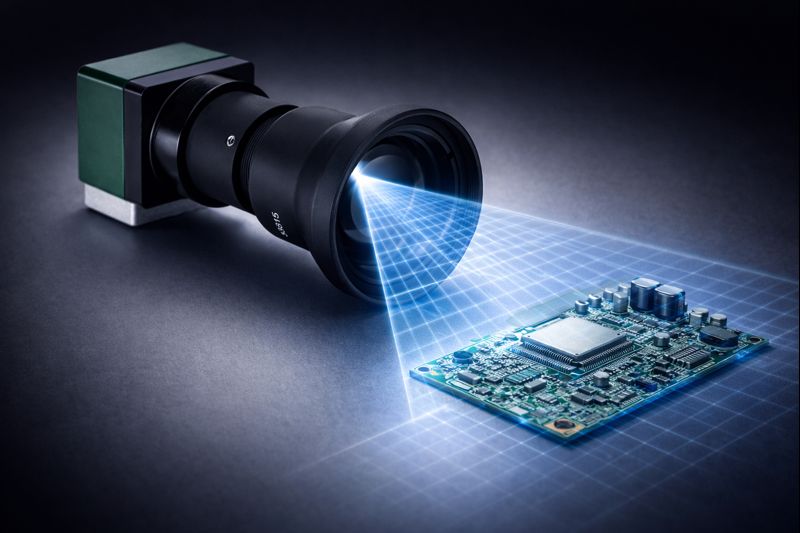
Specialty Machine Vision Cameras
Machine vision systems sit at the centre of inspection, guidance and measurement platforms. In many real-world specifications, performance is constrained by physics, exposure time, wavelength, surface reflectivity, working distance, or dimensional accuracy, long before software is considered.
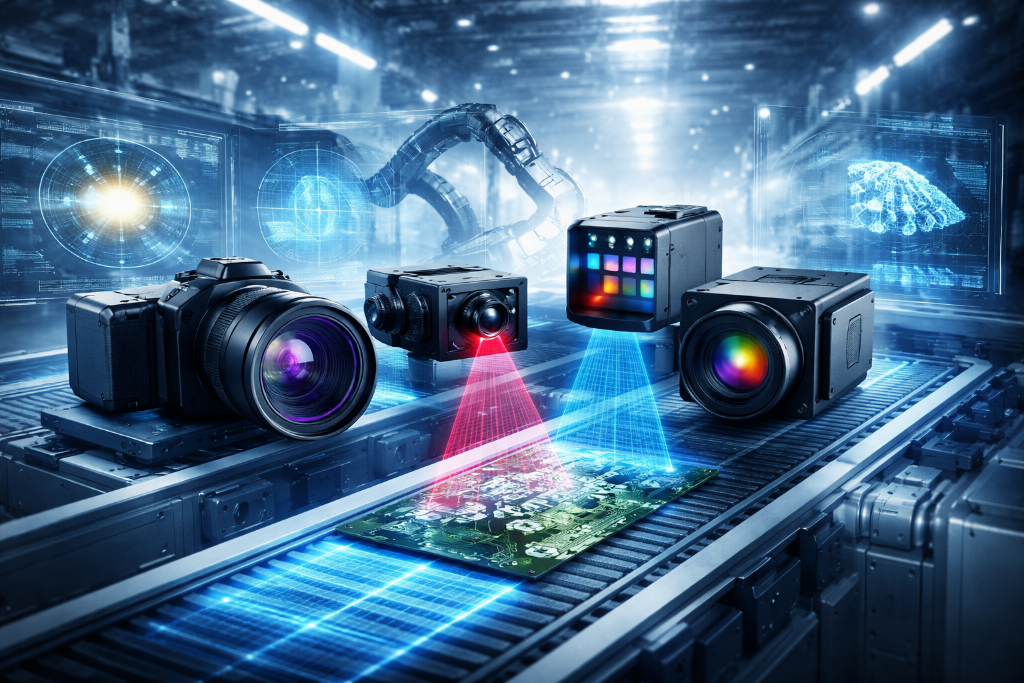
Specialty cameras are required when conventional area-scan architectures cannot deliver stable, repeatable results. These technologies extend vision capability into high-speed production, non-visible spectral ranges, true 3D measurement, and real-time deterministic processing.
At Laser 2000, we help OEMs, system integrators and machine builders select and integrate specialty imaging technologies that solve complex inspection challenges, not simply specify part numbers.
Product Types
What Problems Do Specialty Cameras Solve?
Specialty imaging solutions are typically required where:
- •High production speeds exceed the exposure limits of conventional cameras
- •Subtle height variations must be measured rather than inferred
- •Material differences are invisible in the RGB spectrum
- •Surface reflectivity or geometry disrupts intensity-based inspection
- •Real-time decision-making demands deterministic, low-latency processing
- •2D contrast alone cannot reliably detect defects
In these scenarios, system architecture, including illumination, optics, motion and data handling becomes critical.
Where Specialty Cameras Excel
Specialty camera technologies deliver measurable value in:
- •High-speed inline inspection and web processing
- •Optical sorting and material classification
- •Robotic guidance and pick-and-place automation
- •Precision metrology and dimensional verification
- •PCB and microelectronic inspection
- •Surface defect detection on challenging materials
- •Spectral analysis beyond the visible spectrum (UV, NIR, SWIR)
These are environments where standard industrial cameras typically reach their limits.
Our Core Technology Partners
Laser 2000 works with carefully selected specialist manufacturers, each addressing a specific layer within the advanced vision stack.

Spectroscopic imaging specialist delivering multi-sensor and prism-based industrial cameras for multispectral and SWIR applications.
BlueVision systems are particularly suited to demanding inspection environments requiring advanced colour discrimination, optical sorting and non-visible spectral detection.
Pushbroom hyperspectral imaging cameras and integrated systems covering UV, VNIR, NIR and SWIR ranges.
Resonon enables material classification, contamination detection and chemical differentiation where conventional RGB imaging cannot resolve material differences.

FPGA-based high-speed smart cameras and laser triangulation platforms with onboard deterministic processing.
Optomotive solutions excel in high-throughput 3D profiling, laser line detection and inspection environments where edge processing reduces bandwidth and latency constraints.

Single-lens 2D + 3D depth sensing cameras delivering simultaneous image and depth data in a compact form factor.
photonicSENS technology is well suited to robotic guidance, volume measurement and precision component inspection where real-time and absolute depth information is required.

Colloidal Quantum Dot (CQD) SWIR cameras enabling non-visible spectral inspection in compact, affordable systems.
Osemi SWIR technology detects infrared signatures for material identification, contamination detection and inspection in challenging wavelengths where visible-spectrum cameras cannot perform.
Example Applications
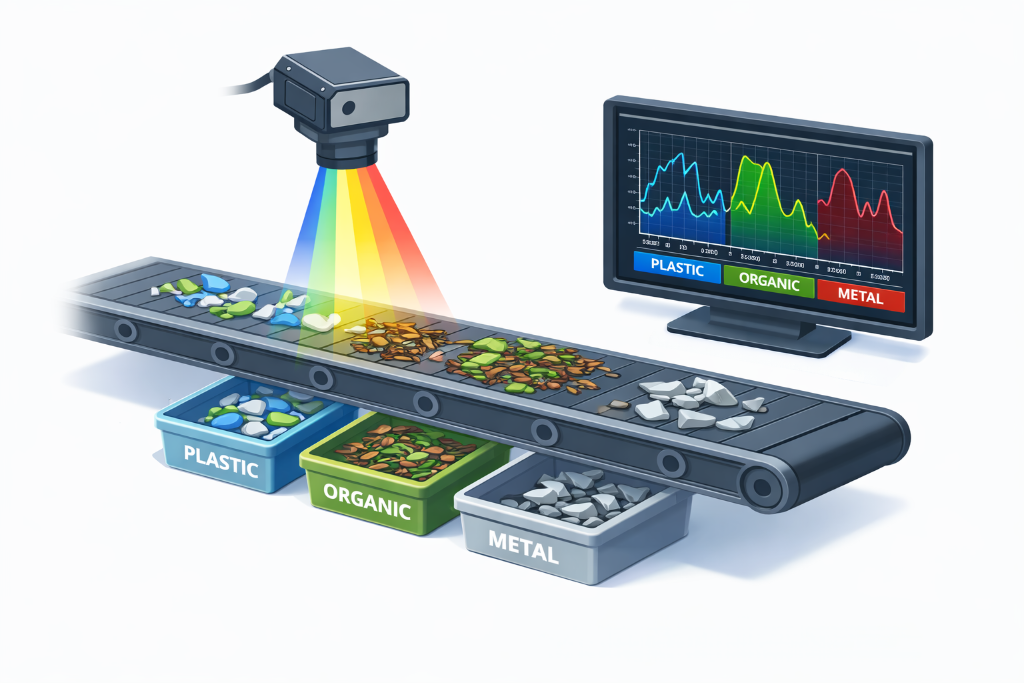
Optical Sorting & Material Separation
Spectral and multisensor cameras distinguish materials with similar visible appearance but different spectral signatures, enabling reliable waste sorting, food inspection and quality grading.
Find out more: Sorting & Material Classification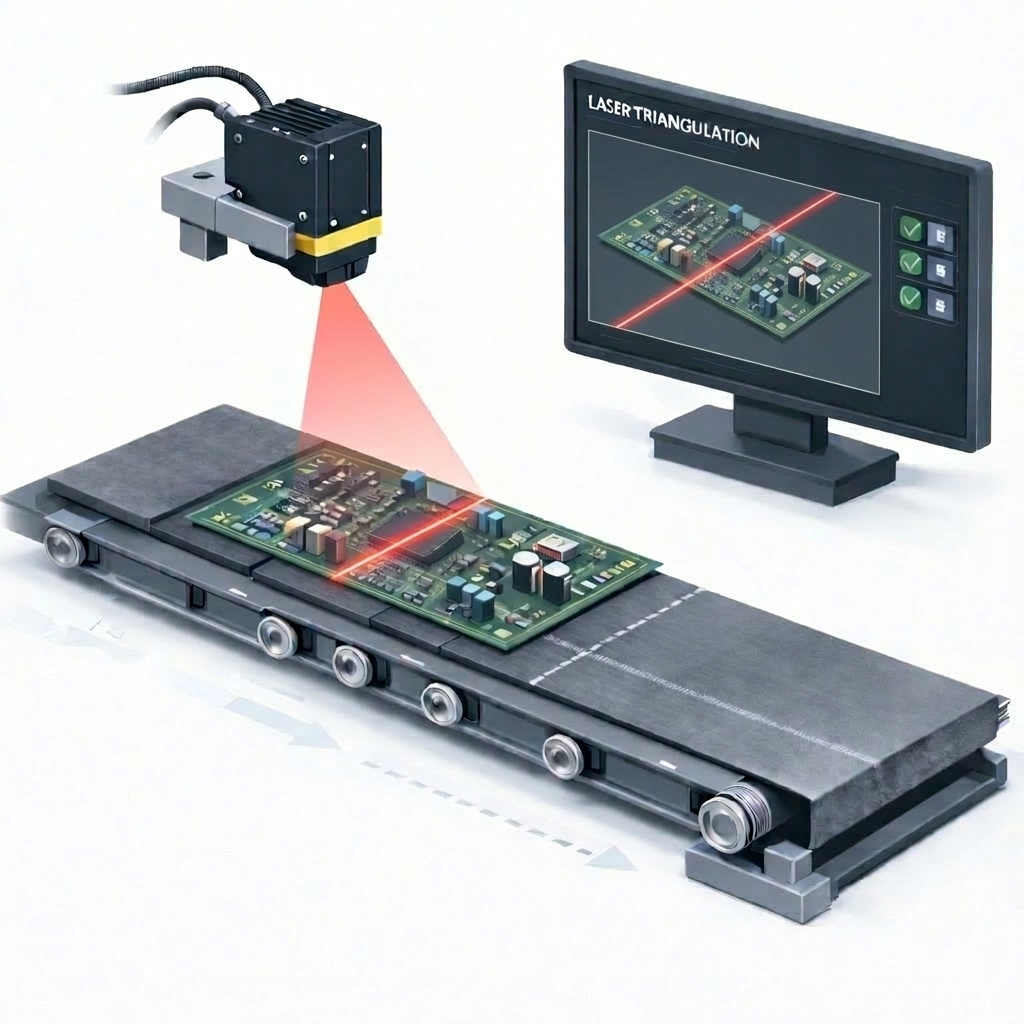
High-Speed 3D Laser Triangulation
FPGA-based smart cameras capture laser profiles at high line rates for rail inspection, surface metrology and industrial measurement systems.
Find out more: 3D & Depth Techniques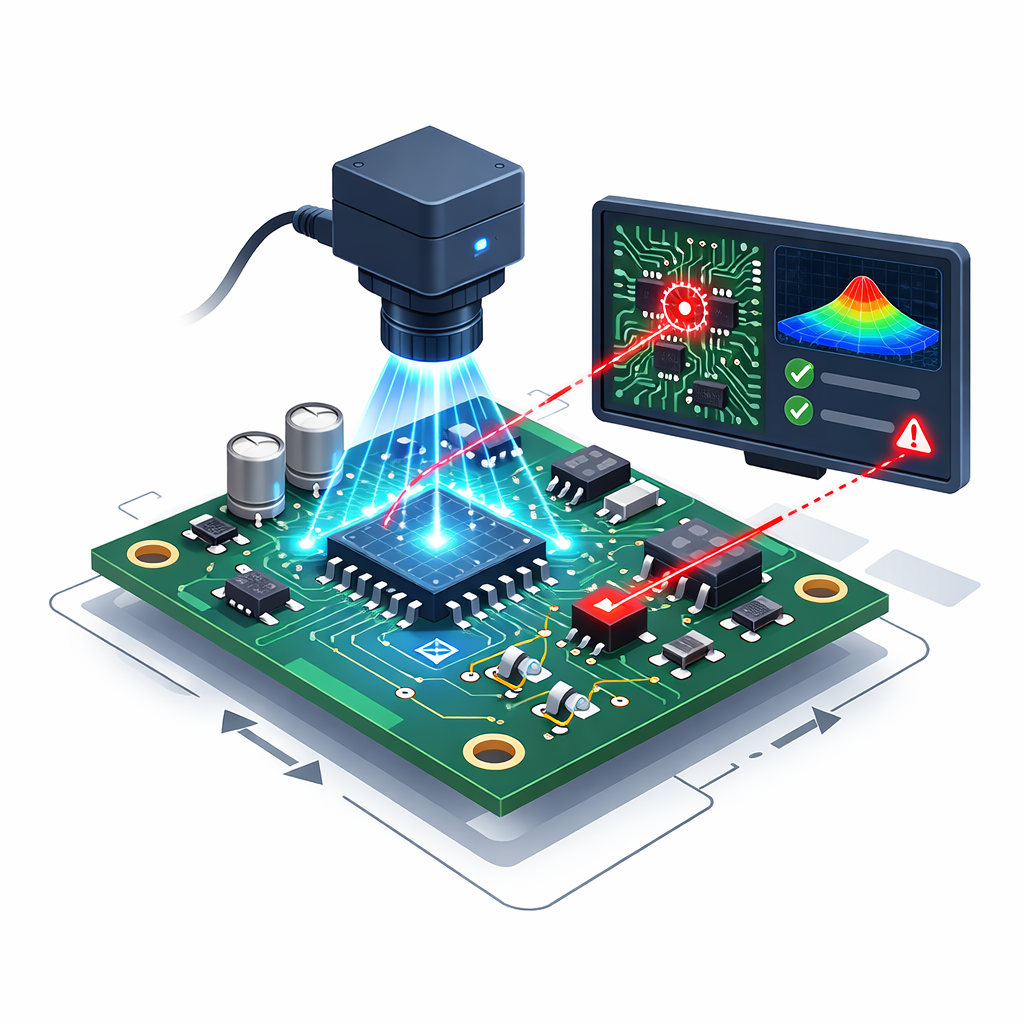
PCB & Microelectronic Inspection
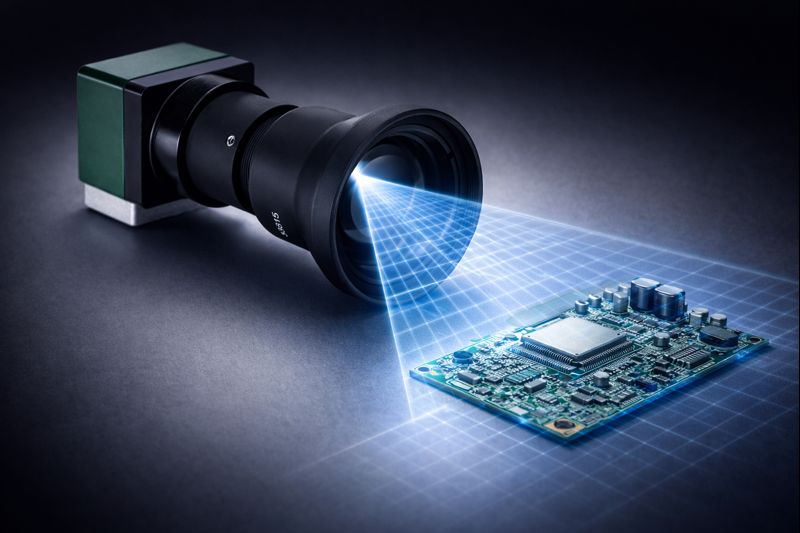
3D depth measurement identifies solder volume, wire bond integrity and fine structural deviations that cannot be reliably detected using 2D contrast alone.
Find out more: Defect & Quality Inspection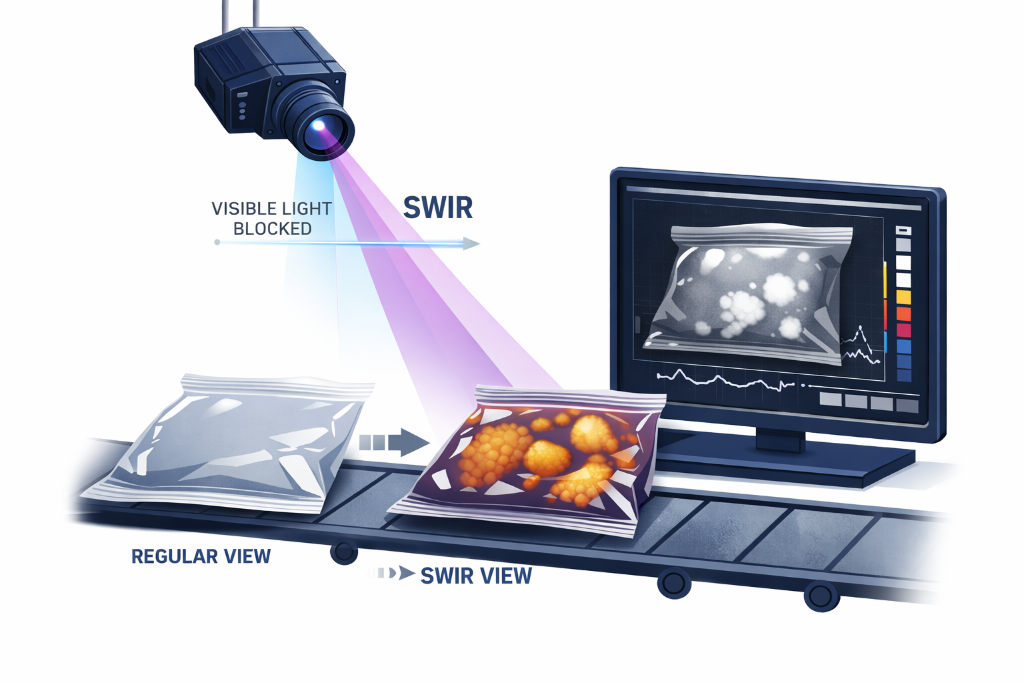
SWIR Inspection Through Packaging
Short-wave infrared imaging reveals moisture content, contamination or material inconsistencies invisible to visible-spectrum cameras.
Find out more: Spectral & Wavelength-Based TechniquesImaging Techniques for Specialty Cameras
Selecting the right camera type depends on understanding the underlying imaging physics. Key techniques relevant to specialty cameras include:
- •Area Scan & Line Scan — choosing the right acquisition architecture for static or continuous inspection
- •SWIR & Hyperspectral Imaging — detecting material properties beyond the visible spectrum
- •3D & Depth Techniques — laser triangulation and structured light for surface profiling
- •Polarisation & Contrast Enhancement — revealing surface features invisible to standard imaging
Camera selection should always be driven by application physics, not product specifications alone.
Beyond the Camera
Performance in advanced machine vision systems rarely depends on the camera alone.
Robust inspection outcomes are shaped by the interaction between illumination geometry, optical design, motion stability, data transport and robotic precision.
Laser 2000 supports system integrators and OEM machine builders with technically aligned components across the optical and automation chain, including:
- •Structured laser illumination and beam shaping
- •Precision optics for optimised field of view and depth of field
- •Motion control for synchronised line-scan and profiling systems
- •Deterministic data transport for high-bandwidth architectures
- •Compact high-precision robotics for guidance and automation platforms
We work alongside system integrators to ensure camera technology, optics, illumination and motion components are correctly specified and aligned to application physics, enabling stable, production-ready system performance.
Discuss Your Application Needs
Have a complex vision challenge where standard cameras fall short?
Let's discuss system architecture, integration strategy and performance constraints.
Not just product specifications.
At Laser 2000, we help OEMs, system integrators and machine builders select and integrate specialty imaging technologies that solve complex inspection challenges,
and then not simply specify part numbers.